Coffee Tour & Knowledge
A guided walk through our plantation
Step into the world of coffee! In around 45 minutes, our guide will take you through the plantation and its slopes, sharing her fascinating knowledge about cultivation and coffee enjoyment – in Spanish, French or English.
You'll catch the coffee passion as our expert proudly shares the history of coffee cultivation, teaches you about species and varieties, growth cycles, harvest yields and the key processes behind growing great coffee.
Part of the tour is yours to explore the plantation on your own. Our guide will also proudly show you the "coffee school" – in our training rooms she demonstrates the preparation and you get to taste the result.
We offer plantation tours, tastings and barista evenings, as well as the chance to buy our exclusive coffee.
Coffee dreams in the heart of the island
Cultivation is at the heart of what we do.
Our plantation has been here for over half a century, evolving with the crops that have shaped this valley over the decades. The coffee trees grow among all kinds of tropical fruit – lemons, mangoes, tangerines, avocados, bananas, olives and grapes.
We're two friends from Germany who bought the plantation in 2022 and have been developing it ever since. Today, coffee is our main crop – around 1,200 plants spread over two hectares, producing 400 to 500 kilograms of coffee each year.
We mainly grow Arábica Typica, but we're also testing Arábica Geisha on a new plot – the world's most valuable coffee – making us pioneers of a sort in Europe.
Where coffee feels at home!
Fertile soils and warm sunshine
Gran Canaria's uniquely varied climate makes the island exceptionally fertile – ideal for growing coffee and fruit. Geographically, the island belongs to Africa, yet politically it's part of the EU. That makes it not only the only Canary Island with coffee cultivation, but Europe's only coffee-growing region.
Coffee has a long tradition in Agaete: the Valle de Agaete has been growing coffee since the early 19th century. Today, the village is the last place in Europe where coffee is still cultivated. The unique mild, humid microclimate in the valley offers the perfect mix of sun, warmth, wind protection and shade from the tall palm trees. Temperatures stay between 15 and 28 degrees Celsius year-round.
Exclusive coffee cultivation
Coffee tradition you can touch
On our Finca – the largest plantation in the Valle de Agaete – the coffee plants grow lush, almost jungle-like, and we invite you to discover the cultivation of Europe's exclusive coffee.
Tourism helps keep the centuries-old coffee tradition alive on our island. The coffee is also exclusive because of the relatively low yield that Arábica plants produce here compared to large-scale plantations in traditional coffee nations.
Behind the scenes
From coffee cherry to gourmet product
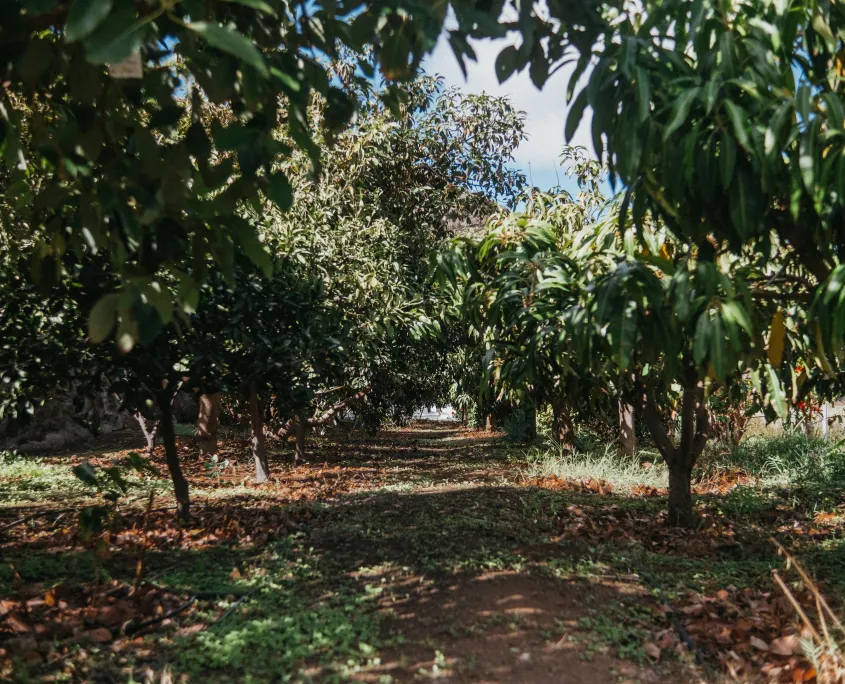
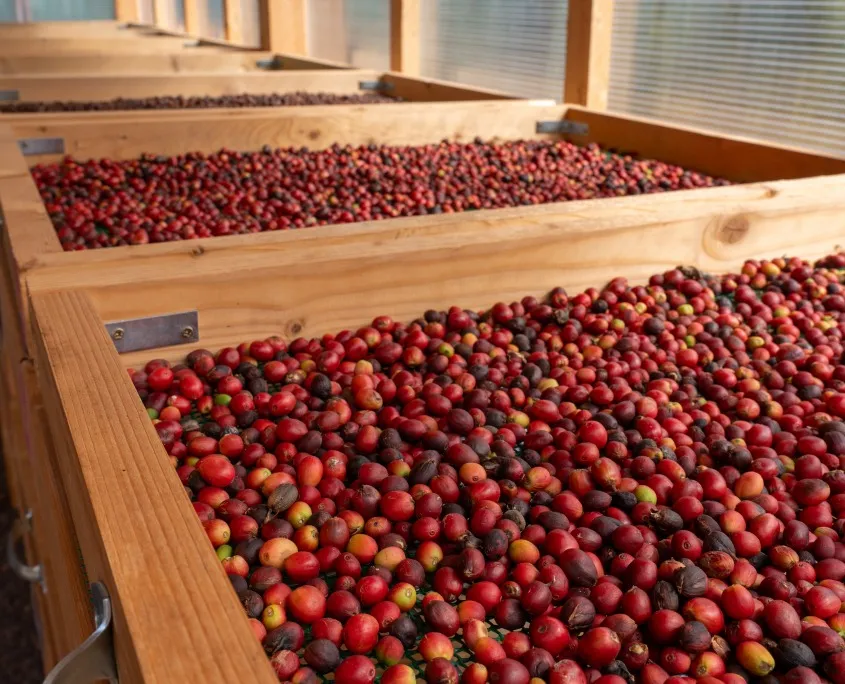
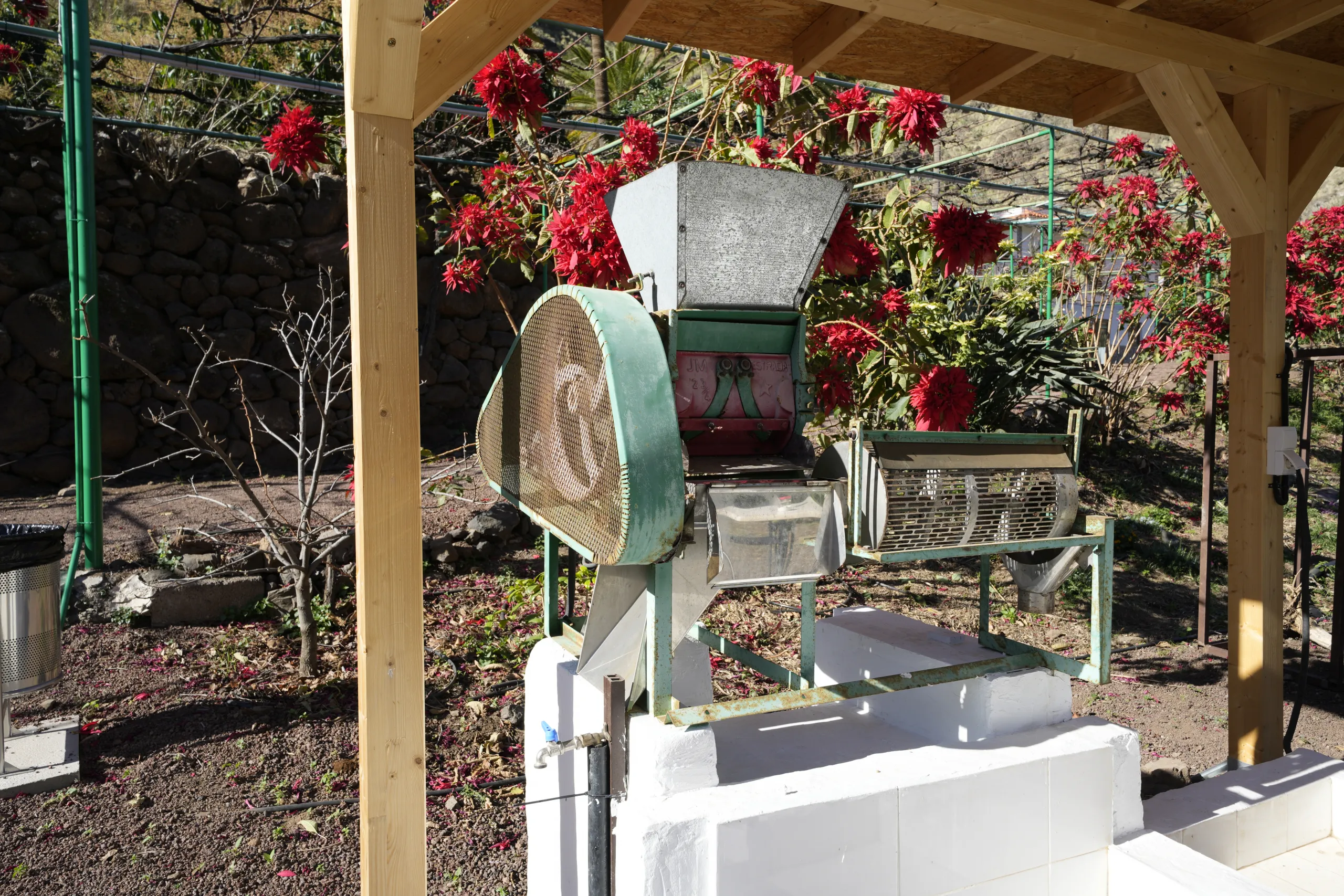
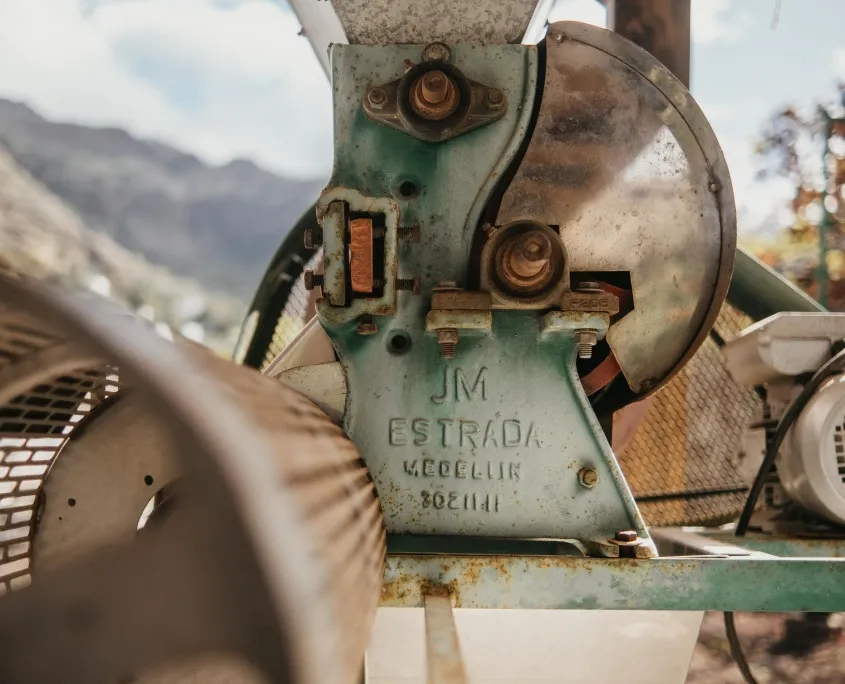
On our tour you'll get an exclusive look at every step from cultivation to production. Our coffee plants first produce red, cherry-like stone fruits – the "coffee cherries". They taste fruity and contain one or two stones inside, which are the actual coffee beans.
Like all fruit, coffee cherries need to ripen properly before they can be harvested from April to June. Picked too early, the coffee tastes very bitter; left too long, it turns sour.
At harvest time, the deep red berries are picked by hand – slow, careful work. Yields are relatively small, so patience is a real virtue for the local coffee growers. From a bucket of berries weighing up to eight kilograms, we get just one kilogram of coffee beans.
After that, the harvested berries dry in the sun, changing colour from red and orange to the familiar coffee brown – transforming into the beans we all know.
Guided tour
of the Finca
The map shows the tour stops in a schematic overview. Detailed information is available in the PDF.
Download PDF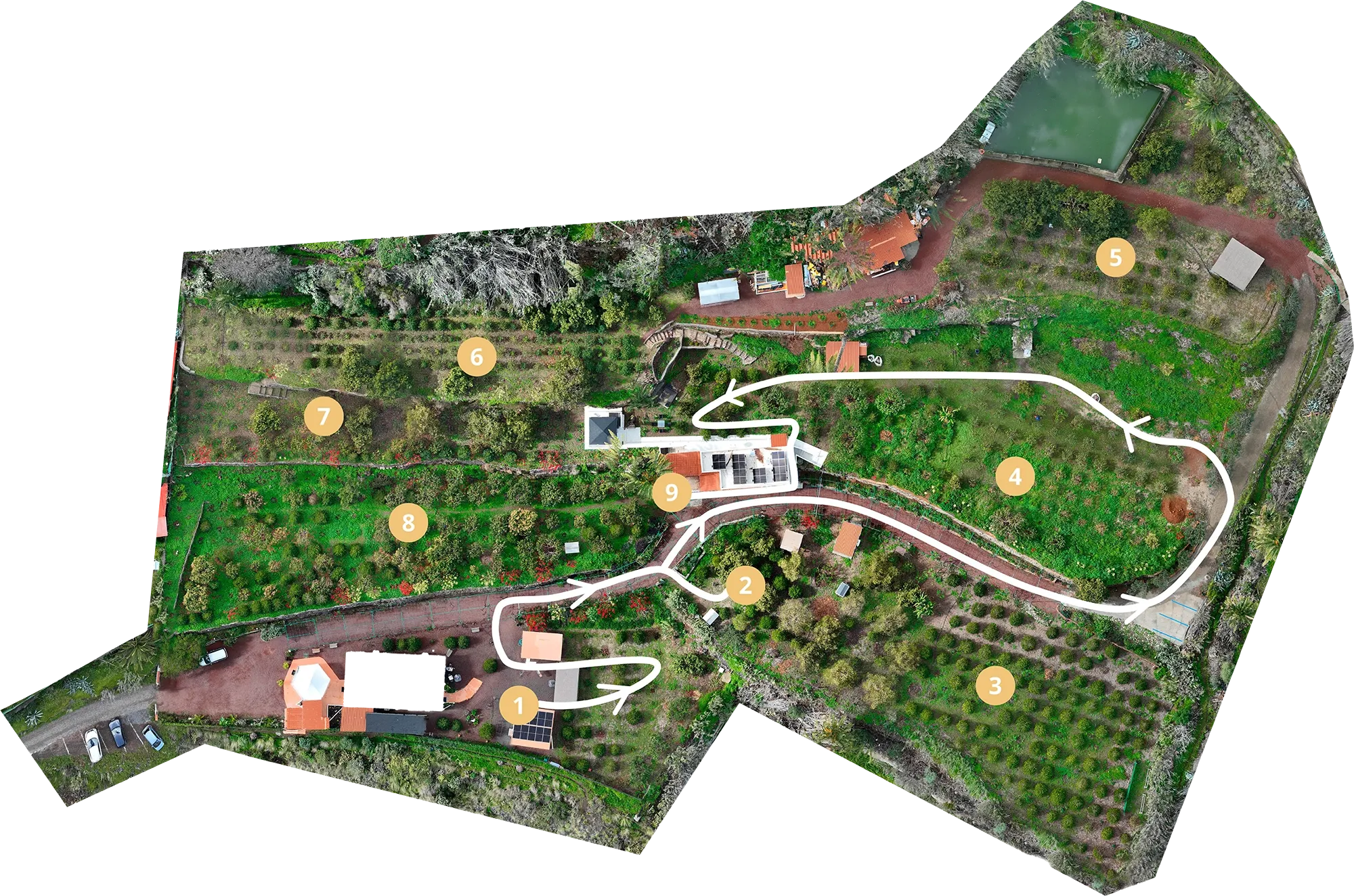
Exotic & gently roasted
So what does Europe's only coffee actually taste like?
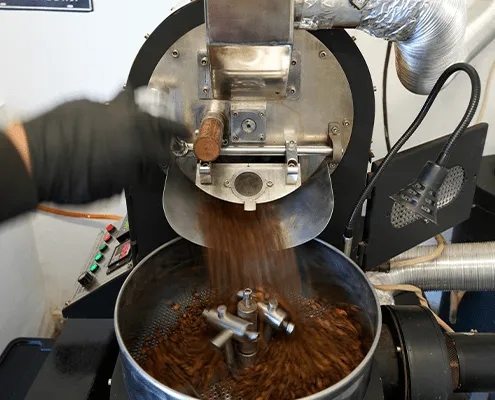
The extraordinary conditions produce a truly special cup with an exotic touch: slowly grown in a mild Mediterranean climate, hand-picked and gently roasted.
Experts describe the Café de Agaete as wonderfully aromatic, soft and mildly fruity, with an exotic note and a caramel finish – remarkably low in acidity and bitterness.
Go on – give it a try!